Resolving Discrepancies Between Trading Platforms and Execution in TradersPost
Learn how to resolve discrepancies between TradingView charts and TradersPost executions, focusing on options trading setups and accurate signal configurations.

Marketing

-
Traders ask whether their trading platform is the execution venue, so the guidance now explains the distinction and how orders may be routed elsewhere.
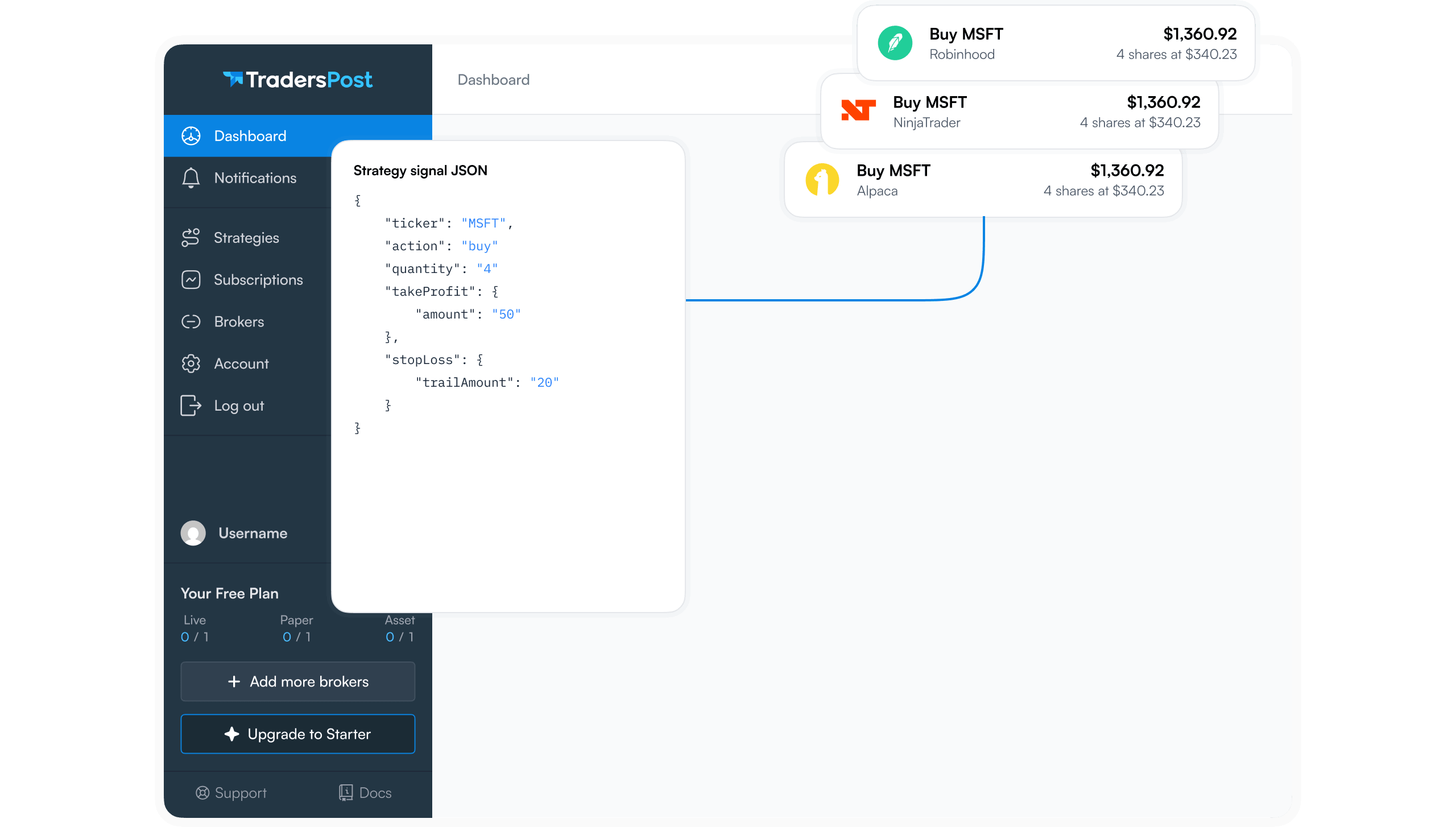
TradersPost is designed to bridge the gap between strategy development platforms like TradingView and actual trade execution at brokers. However, users sometimes encounter discrepancies between what they see on TradingView charts and the prices or behaviors reflected in broker-executed trades. This guide explains common causes of these mismatches and provides actionable steps to ensure alignment between platforms. The platform used to place and monitor an order is not necessarily the venue where it is filled. Stock orders, for example, may be routed to an exchange, alternative trading system, wholesaler, or another execution venue1.
Understanding the Discrepancies
1. Stock Chart vs. Options Price Differences
A common issue arises when users send signals from a stock chart to execute options trades. The prices on the stock chart represent the share price, while the options chain contains prices for the options contracts (premiums).
Example:
- Stock Price: Tesla is trading at $34 per share.
- Options Chain Price: The options contracts could have a wide range of prices, depending on the strike, expiration, and market conditions.
This fundamental difference leads to a disparity between the signal and the actual execution price.
2. Signal Data Mismatch
When an alert includes a price from the stock chart but is meant for an options trade, TradersPost might execute based on irrelevant data.
Solution:
- Remove the price field from the alert to ensure TradersPost uses the correct contract price from the broker’s options chain.
3. Delayed Broker Data
If the broker’s market data lags or does not sync in real-time with TradingView, executed orders might not align perfectly with the expected prices.
Steps to Align Platforms
1. Ensure Correct Signal Source
If you’re trading options, configure alerts to originate from an options chart in TradingView, not a stock chart. TradingView now supports options charts, but this requires a market data subscription.
Example Alert for Options:
{
    "ticker": "AAPL",
    "action": "buy",
    "optionType": "call",
    "expiration": "2024-12-20",
    "strikePrice": 150
}
2. Remove Irrelevant Data
Eliminate unnecessary fields like stock prices from alerts when trading options. Let TradersPost fetch the correct contract price from the broker.
3. Verify Broker Data Accuracy
Confirm that the broker provides accurate and timely options data. If discrepancies persist, consider:
- Upgrading your broker’s data subscription.
- Using TradersPost’s support to debug potential data mismatches.
Proactive Tips for Avoiding Discrepancies
Test Signals Before Going Live
Use paper trading accounts to identify potential issues with signal configurations or execution discrepancies.
Leverage Support
If issues persist, reach out to TradersPost support for personalized troubleshooting. Provide details about your setup, including the platform, broker, and example alerts.
Conclusion
Discrepancies between trading platforms and execution often stem from mismatched data sources or configurations. By ensuring signals are set up correctly and aligning data between TradingView and your broker, you can minimize these issues. With the right configurations, TradersPost ensures smooth and accurate execution of your trading strategies.