Backtesting vs Forward Testing: Ensuring Your Trading Strategy Holds Up
Backtesting and forward testing are essential tools for traders to validate their strategies. While backtesting relies on historical market data to assess potential success, forward testing simulates real trading environments. Together, they ensure a reliable and robust approach to trading.

Marketing

In the world of trading, ensuring that your strategy is robust and reliable is crucial. Two powerful tools used by traders are backtesting and forward testing. These techniques not only help validate the potential success of a trading strategy but also highlight any weaknesses before real money is on the line.
Understanding Backtesting
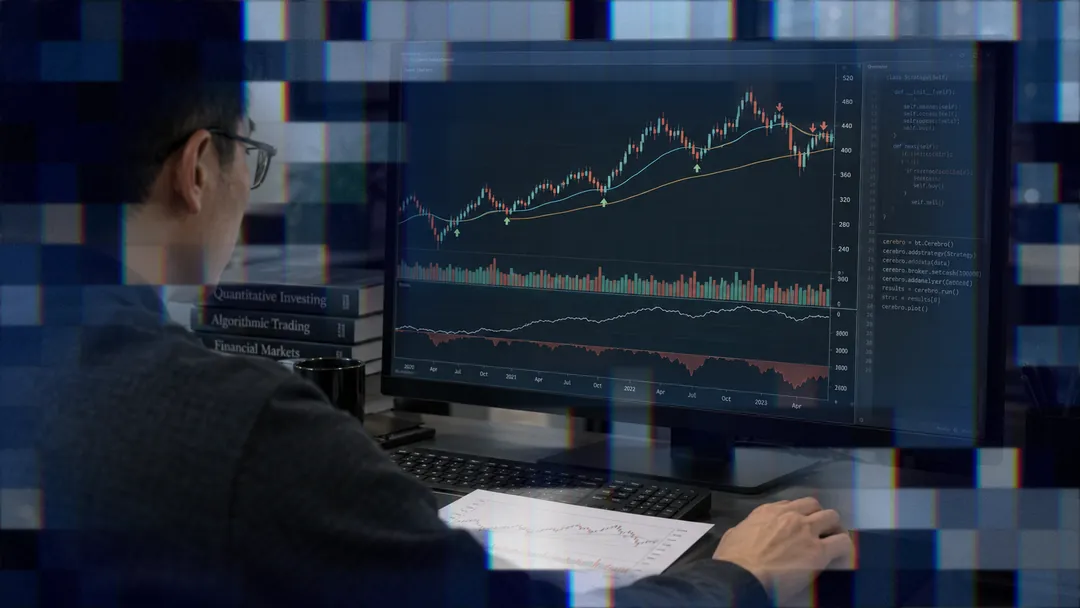
Backtesting is the process of applying trading strategies to historical market data to determine how they would have performed in the past. This approach can indicate potential effectiveness but requires a careful setup to avoid misleading results.
Key Elements of Effective Backtesting
Diverse Market Conditions: A robust backtest should be applied across different time frames and varying market conditions. Relying on a single, cherry-picked period can yield skewed outcomes that don’t paint the full picture of a strategy’s potential.
Consistency Over Luck: The objective is to achieve consistent results rather than relying on a fortunate run. Consistency indicates that the strategy has inherent merit rather than benefiting from randomness.
The Role of Forward Testing
While backtesting is conducted on historical data, forward testing (or paper trading) is applied in live market conditions without real money. This step is crucial to see if the strategy performs within the expected parameters set during backtesting.
Why Forward Testing?
Real-World Conditions: Forward testing exposes the strategy to actual market conditions and frictions that were not apparent during the historical analysis. It ensures that the theoretical results hold in practice.
Validation Check: If the forward test results align closely with the backtested expectations, it validates the strategy. Disparities, however, suggest potential issues such as overfitting or overlooked market factors.
Conclusion
Both backtesting and forward testing are integral to developing a successful trading strategy. While backtesting provides a glimpse into how a strategy could have possibly succeeded in past conditions, forward testing confirms its viability in present environments. Traders who invest time in both methods position themselves for better-informed, strategic decision-making on their paths to trading success.
To ensure your trading strategies are resilient and ready for real-world application, leveraging both backtesting and forward testing is imperative. Balance historical insight with live data validation to protect and grow your investment future.